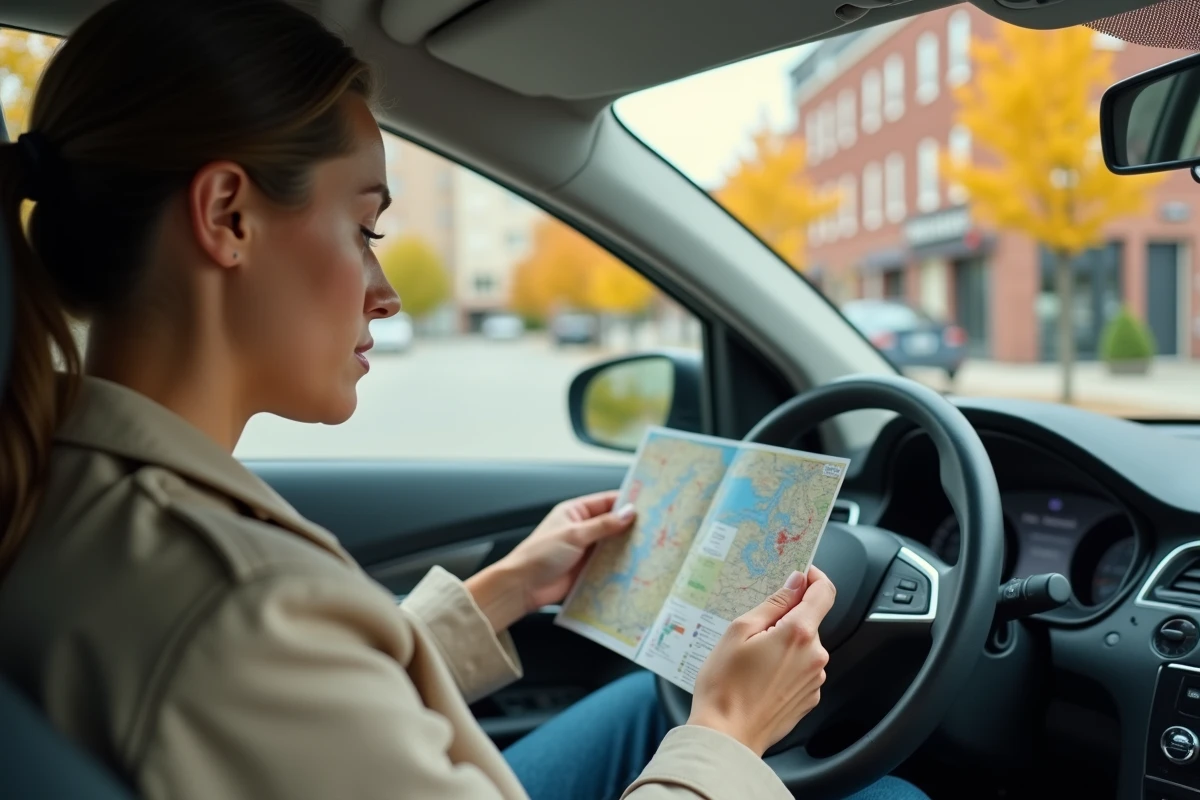
A French category B driving license remains valid in Canada for temporary stays. The allowed duration of use varies by province, and this provincial distinction is the main source of errors for French travelers and new residents.
Provincial Disparities on the Validity Duration of the French License
Canada delegates road regulation to each province and territory. There is no single federal rule regarding how long a foreign license can be used. In Quebec, a French license allows driving for the first six months of residence. After this period, an international license or an exchange becomes necessary.
In Ontario and British Columbia, the tolerance is generally 90 days for new residents, compared to six months in Quebec. In Alberta, the rule is also set at 90 days after establishing residency. The confusion arises because tourists can drive with their French license for the entire duration of their temporary stay, without a strict provincial limit, as long as they do not become residents.
Before leaving, it is useful to check the specific conditions for the destination province to drive in Canada with a French license in full compliance. An offense related to an unrecognized license can lead to a fine, vehicle seizure, and insurance cancellation.
International License in Canada: Real Usefulness and Limits
The international driving permit (IDP) is not a standalone license. It is an official translation of the French license, issued free of charge by the prefecture in France. It must always be accompanied by the original license.
In Quebec, the IDP extends the possibility of driving beyond the first six months, up to one year after arrival. In English-speaking provinces, its usefulness is more practical than regulatory: it facilitates police checks and vehicle rentals, as officers and rental agents do not always read the French license.
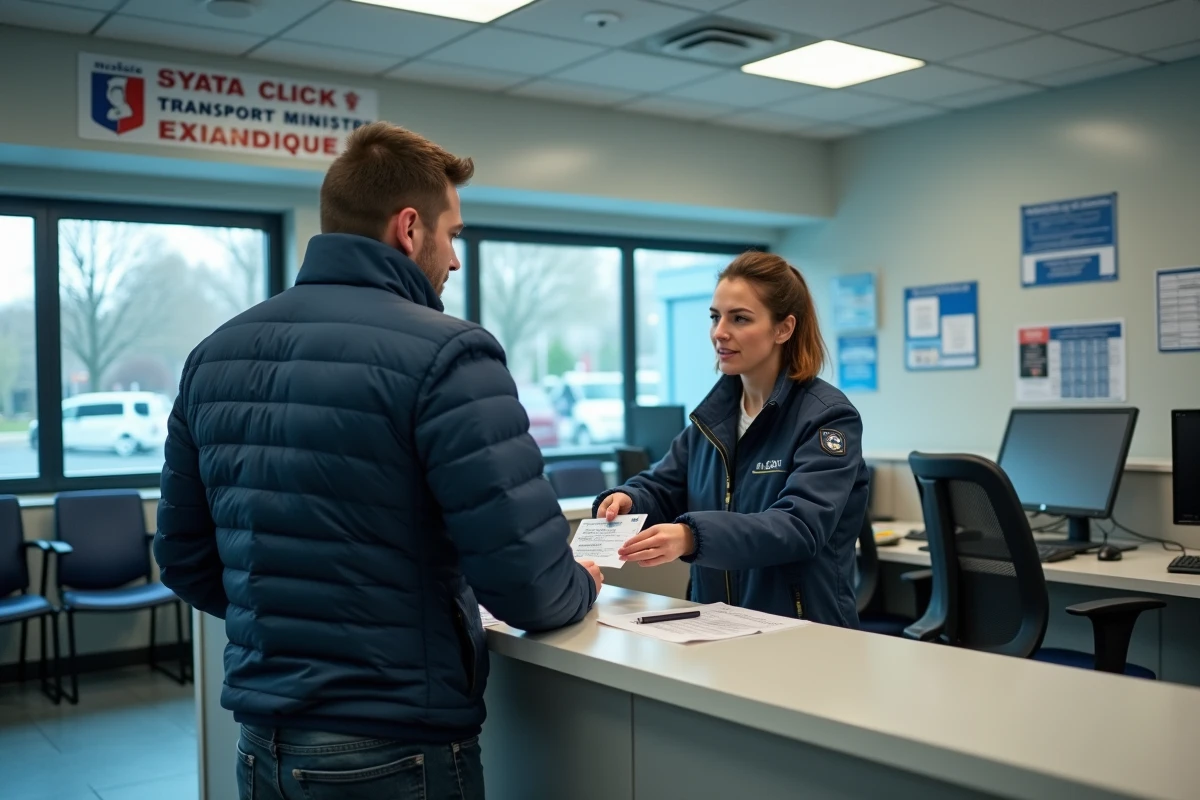
The IDP never replaces the license exchange for a permanent resident. Beyond the provincial tolerance period, one must apply for a local license. France and Quebec have signed a reciprocity agreement that allows for exchange without retaking an exam. For Ontario, British Columbia, or Alberta, the procedure varies and may include a practical exam.
Car Insurance and Driving History: The Financial Trap
Canadian insurers calculate premiums based on a North American driving history. A French driver, even with twenty years of accident-free driving, arrives with a blank record in the eyes of the local system. The direct consequence is a significantly higher insurance premium for newcomers.
In British Columbia, the public insurer ICBC systematically applies a higher rate to residents without an ICBC history. In Ontario, where the market is private, the situation is comparable: brokers classify foreign drivers in a high-risk category.
Some precautions can reduce the bill:
- Request an information statement (bonus-malus certificate) translated into English from the French insurer before departure. Some Canadian insurers accept this document to recognize part of the experience.
- Compare offers between brokers, as the recognition of foreign history varies from one insurer to another, even within the same province.
- Prefer insurers specialized in welcoming new residents, who sometimes offer transitional pricing programs.
Having your insurance statement translated and certified before departure is the most cost-effective step to limit the initial extra cost.
Driving Under the Influence of Cannabis: Strict Regulations Unknown to the French
Since the legalization of cannabis in Canada, provinces have strengthened road checks related to psychoactive substances. For a French driver used to a framework where cannabis remains illegal, the logic may seem paradoxical: the product is legal, but the tolerance for driving is almost zero.
Law enforcement uses saliva tests and blood samples during checks. The penalties, including fines, license suspension, and criminal record registration, are aligned with those for driving under the influence of alcohol beyond the legal limit. The official page of Immigration, Refugees and Citizenship Canada explicitly reminds of the prohibition against driving under the influence of cannabis.

In Ontario, the Provincial Police emphasizes the absence of a safe THC limit for driving. A French traveler who legally consumes cannabis the night before a drive may find themselves in violation the next morning, as THC traces remain detectable for several hours after consumption.
License Exchange Between France and Quebec: Procedure and Reciprocity
The agreement between France and Quebec allows for a direct exchange of the French license for a Quebec license, without theoretical or practical exams. The application is made to the Société de l’assurance automobile du Québec (SAAQ). One must present the original French license, proof of residence in Quebec, and an identification document.
The French license is then kept by the SAAQ and returned to the French consulate. In case of a definitive return to France, the reverse procedure applies thanks to the reciprocity of the agreement.
In other provinces, the exchange is less automatic. Ontario and British Columbia often require a driving test, even for an experienced driver. The complexity of the procedure also depends on the class of license requested and the age of the French license.
The transition period between the French license and the local license remains the time when the risk of being in violation is the highest. Checking provincial deadlines as soon as you settle, and not after the first road check, avoids difficult administrative and financial complications to catch up on.