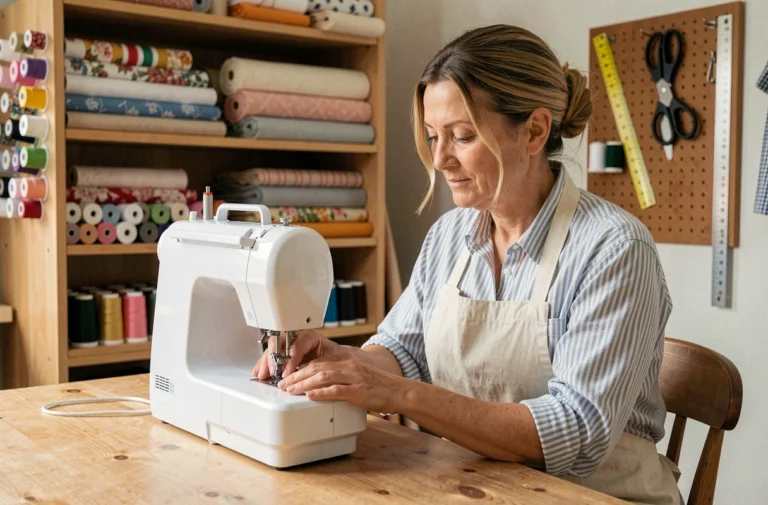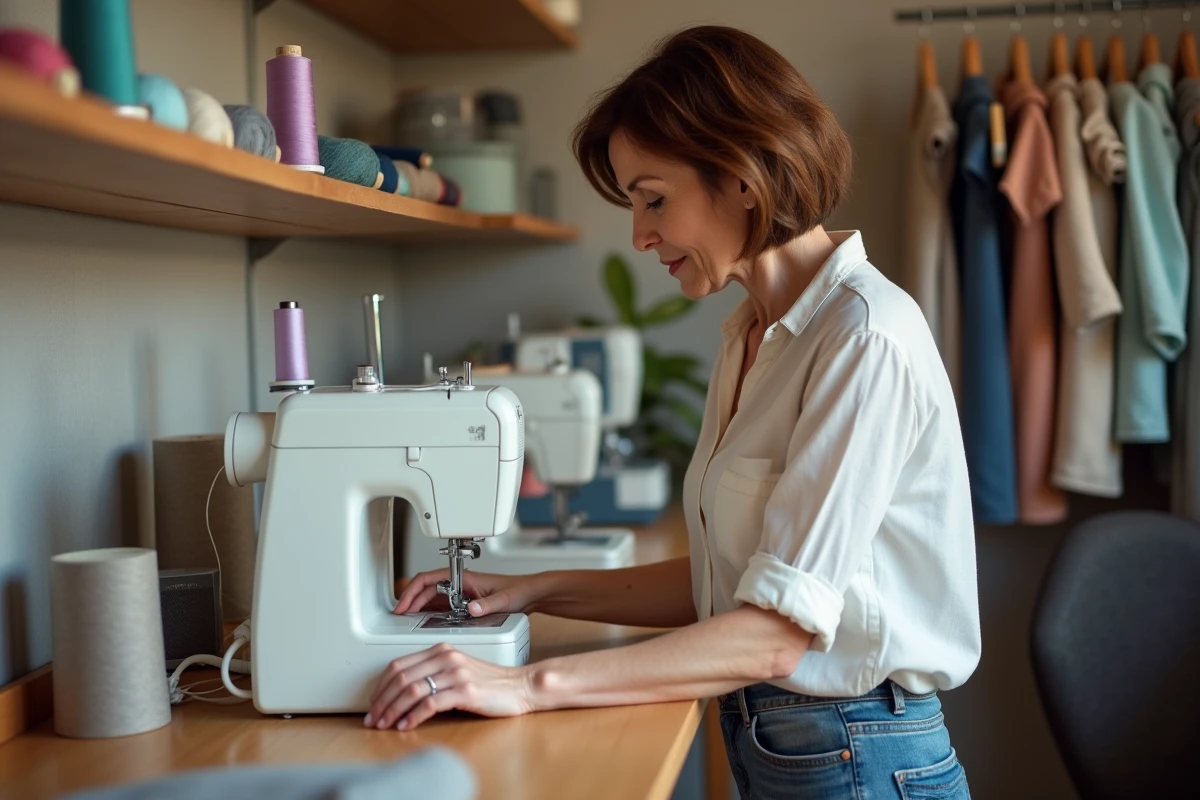
A model sold at a rock-bottom price can outshine a high-end reference in terms of zigzag stitch quality. Conversely, some machines loaded with buttons impress… but can confuse the beginner user. Others, more discreet, rely on intuitive ergonomics and charm with their simplicity of use, even if it means sacrificing sturdiness.
Betting everything on the brand is not enough: each user profile, each budget, each project requires adjusting the aim. The risk? Ending up with an unsuitable machine, even if the logo promises wonders.
Understanding the differences between sewing machine brands: what you really need to know
Comparing different sewing machine brands goes beyond sifting through marketing catalogs. Major brands play the craftsmanship card, boasting the reliability of mechanical sewing machines to reassure on durability. In contrast, the electronic sewing machine appeals to modern enthusiasts: automatic settings, dozens of stitches, easier management of stretch fabrics, promising a new level of comfort.
Choosing a sewing machine involves much more than a simple financial decision. The abundance of ranges blurs the lines: a brand new budget model can compete in some aspects with a high-end machine from an older generation. It is essential to consider several parameters: frequency of use, types of projects, ease of maintenance, availability of parts, quality of after-sales service. The opinions of seasoned users often hold as much weight as the figures on technical sheets.
| Type | Advantages | Limitations |
|---|---|---|
| Mechanical sewing machine | Robustness, simplicity, controlled cost | Fewer stitches, limited functions |
| Electronic sewing machine | Versatility, precise settings, user comfort | Higher price, more complex maintenance |
Before committing, it’s better to confront your needs with the technical sheet rather than giving in to marketing arguments. Neither nostalgia for all-mechanical machines nor the temptation of all-electronic should overshadow the reality of daily use. Don’t hesitate to consult feedback from both beginner and experienced sewers to uncover the strengths and weaknesses of each brand.
How to recognize the ideal machine based on your experience level?
The richness of the sewing machine market requires real introspection. To get started, there’s no need to burden yourself with unnecessary features. A first machine should remain simple: few adjustments, a handful of useful stitches, quick maintenance. These solid foundations secure the first steps and limit discouragement.
With a bit of experience, the game changes. Intermediate sewers dream of more ambitious projects: fitted garments, personalized accessories, varied fabrics. At this stage, one looks for machines capable of offering: one-step buttonholes, precise tension adjustment, various presser feet. This upgrade must be accompanied by lasting reliability and real adaptability, especially for thick or delicate materials.
Here are the main points to keep in mind when choosing based on your experience:
- Beginner: mechanical model, essential stitches, ease of maintenance.
- Intermediate: versatile machine, varied accessories, evolving features.
Over time, the question of machine choice aligns with that of balance: how far to go in technicality? How often do you plan to sew? What types of patterns do you wish to explore? The right machine supports progress without becoming a hindrance or an unnecessary burden.
Practical tips and tricks to refine your choice and share your questions
Apart from technical questions, user experience often makes the difference. Ask yourself which sewing stitches you really use: straight, zigzag, automatic buttonhole. Most entry-level models offer only about ten, which is more than sufficient for the majority of projects. Details like the integrated needle threader or LED lighting significantly enhance comfort, especially during long sessions.
The budget deserves to be analyzed from all angles: compare prices based on features, sturdiness, after-sales support. Mechanical machines are often more accessible, while electronic models attract with their automation and abundance of stitches.
Before buying, take the time to check some essential points:
- Test the handling, manipulate the presser feet, and check the ease of changing the bobbin.
- Evaluate the ability to sew different fabrics, from the lightest to the heaviest.
- Listen to the motor: a quiet operation indicates careful assembly.
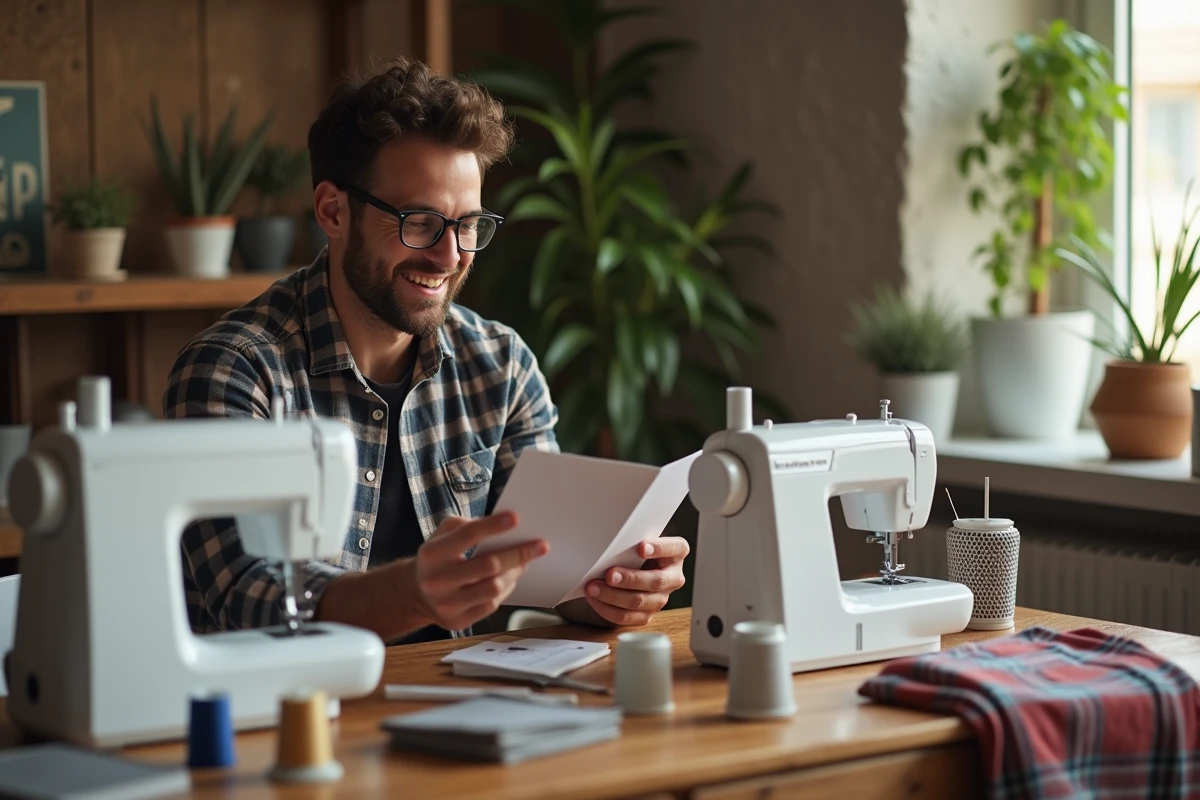
Engage with other sewing machine enthusiasts. Feedback often sheds light where manuals fall short. Forums and specialized groups are full of honest opinions on sewing machine choices: some discover the ideal presser foot for embroidery, while others share disappointments… Nothing replaces the voice of those who sew daily.
In the face of the diversity of models, keeping a cool head and curious hands remains the best strategy. The right machine is the one that fades into the background, allowing creativity and the joy of sewing to take center stage, stitch by stitch.