Choosing a daily hobby is not just about entertainment. The type of activity, its cost, the location, and the available time determine whether the habit lasts over time or fades in a few weeks. Comparing these criteria helps identify leisure ideas that match a real lifestyle, not just a wish list.
Daily leisure compared: cost, accessibility, and regularity
Online activity lists present dozens of suggestions without hierarchy. The table below classifies major families of leisure activities according to three concrete criteria: entry budget, proximity of the practice location, and ease of maintaining a regular frequency.
| Leisure Family | Entry Budget | Practice Location | Possible Regularity |
|---|---|---|---|
| Walking, running | Free or almost | Street, park, nature | Daily |
| Home sports (app, online classes) | Low (app subscription) | Home | Daily |
| Board games | Moderate (one-time purchase) | Home, game café | Weekly |
| Reading (books, e-reader) | Free (library) to moderate | Anywhere | Daily |
| Cultural outings (museum, show) | Variable, often paid | City center, dedicated venues | Monthly |
| Creative activities (drawing, writing, music) | Low to moderate | Home | Daily |
| Nature activities (hiking, biking) | Moderate (equipment) | Suburban, countryside | Weekly |
Free activities that can be done at home or nearby are the ones that last the longest. Walking, running, and home sports check all the boxes.
For those who want to explore Episode Series leisure, the variety of formats offered helps identify options suited to every lifestyle rhythm.

Local sports activities: why location matters more than discipline
The 2024 survey by the Paris Region Institute on the sports habits of residents reveals a often overlooked point. Regular practitioners first choose a location close to home, before selecting a discipline. They combine several spaces: traditional facilities, home, street, parks, and freely accessible equipment.
This proximity logic explains the lasting success of home sports. More than a quarter of regular athletes in the Paris region practice at home, thanks to apps and online classes. Joining a club or accessing dedicated equipment is no longer a prerequisite.
Cost remains a real barrier. Giving up a sports activity for financial reasons mainly affects young adults and lower-income groups. This naturally steers them towards leisure with no or minimal budget:
- Walking and running require only a decent pair of shoes and accessible outdoor space
- Free or low-cost fitness apps replace gym memberships for strength, yoga, or stretching sessions
- Free sports courses in urban parks offer an alternative to paid equipment, without time constraints
Board games and creative hobbies: underestimated activities for daily life
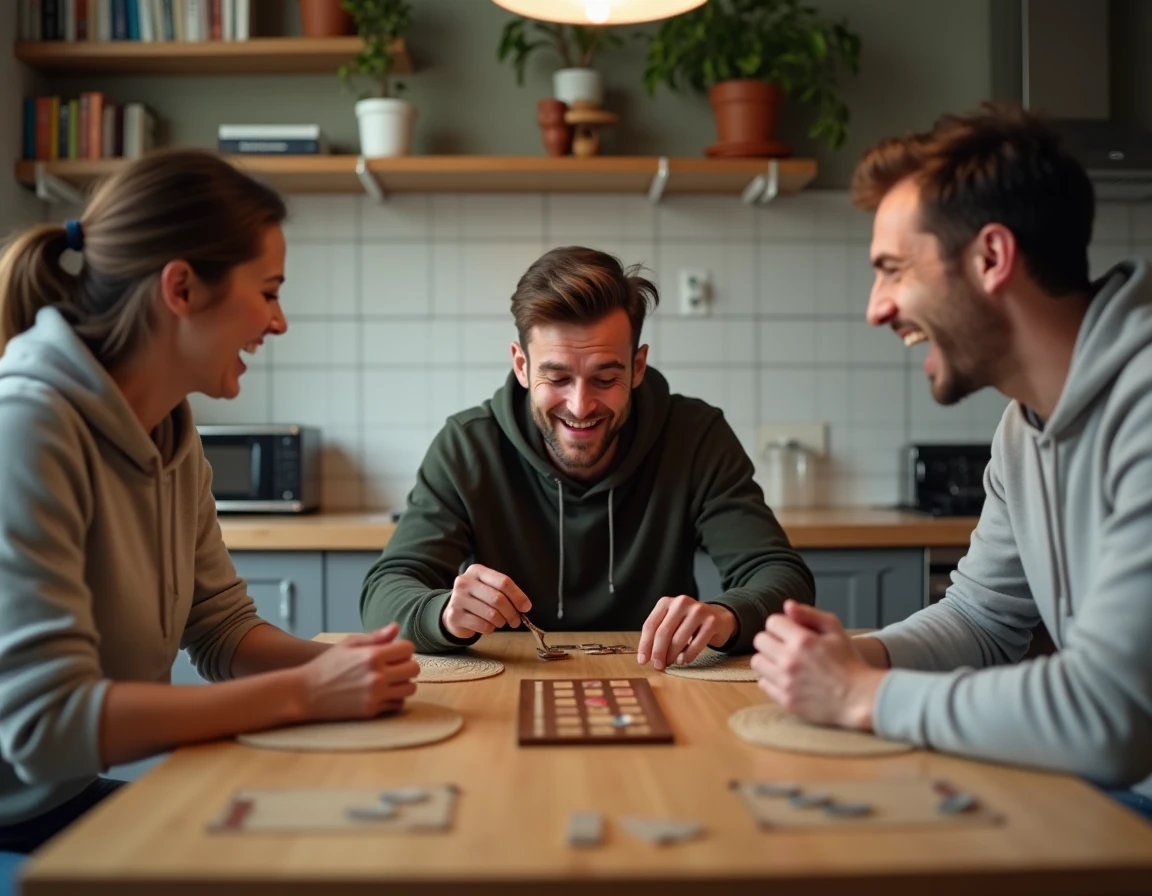
Board games are rarely included in daily leisure recommendations. Yet, they are among the few activities that combine social interaction, cognitive stimulation, and controlled costs after the initial purchase.
A game bought once can be played dozens of times. When considering the number of evenings spent with friends or family, the cost per session of a board game is among the lowest of all leisure activities. Game cafés, found in most medium-sized towns in France, allow testing before buying.
Creative activities (drawing, writing, music) follow a similar logic. The initial investment is low, practice occurs at home, and personal progress maintains motivation. The difference with sports or cultural outings lies in the complete absence of location or time constraints.
Cultural outings in France: a decline that raises questions
The 2025 Cultural Outings Barometer from the Ministry of Culture indicates a slight decline in cultural outings despite the post-Covid recovery. This observation changes the way culture is viewed as a daily leisure activity.
Cultural outings remain an occasional leisure activity, not a regular habit for the majority of French people. Ticket prices, distance to the venue, and time availability create cumulative barriers. In contrast, reading books, listening to podcasts, or taking virtual museum tours fit into a tight schedule without significant extra cost.
For people living outside major urban areas, access to museums, theaters, and concert halls remains limited. Digital cultural leisure does not replace the in-person experience, but it fills a real gap between outings.
Leisure and social connection: a mental health issue
A hobby shared regularly with others protects against isolation in measurable ways. Close ties play a central role in daily sociability.
Activities that involve direct interaction (board games, team sports in parks, group creative workshops) provide a benefit that solitary leisure cannot cover. Choosing a hobby should incorporate this social dimension, especially for people living alone or working remotely.
The determining criterion for a sustainable daily hobby is neither the originality nor the prestige of the activity. It is the combination of a low cost, immediate access, and a social dimension, three conditions that classic idea lists rarely measure.