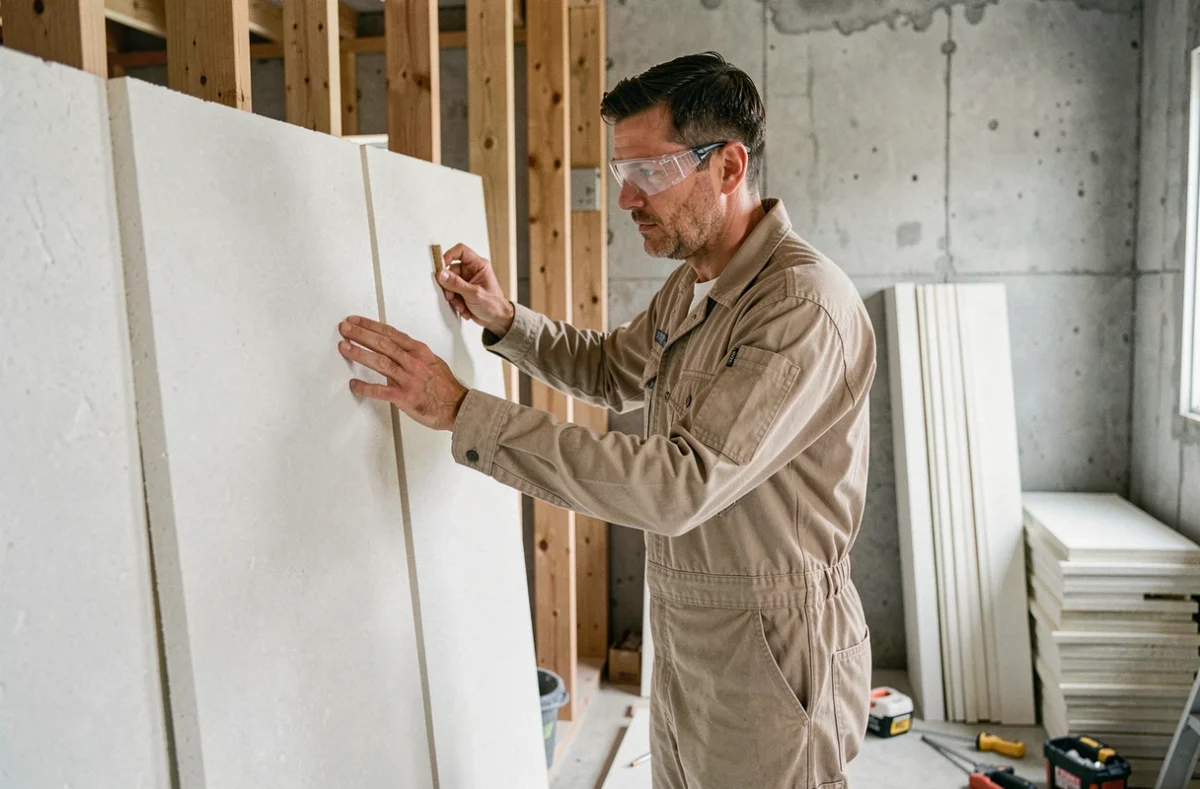
A well-insulated house is not just about laying fiberglass insulation in the attic. Thermal insulation involves multiple surfaces, various materials, and often a trade-off between immediate budget and long-term savings on energy bills. Understanding the order of priorities and common pitfalls helps avoid partial work that only addresses part of the problem.
Summer comfort and insulation: two goals not to be confused
Have you ever noticed that a recently insulated house can remain pleasant in winter but become stifling in July? Good insulation does not guarantee a cool home in summer. It slows heat exchange in both directions, but without solar protection or adequate ventilation, the heat accumulated during the day remains trapped inside.
The energy performance diagnosis (DPE) now includes a specific assessment of summer comfort. It takes into account the thermal inertia of the walls, solar protections, roof insulation, and the possibility of nighttime ventilation. A home can thus receive a good rating for heating and a poor one for summer comfort.
In practical terms, insulating the roof by the slopes reduces overheating in converted attics. External shutters, blinds, or sunshades block radiation before it passes through the glazing. Combining these two actions with nighttime ventilation (opening opposite windows to create a draft) radically changes the perceived temperature. Professionals listed on maisonisor.fr can provide a diagnosis that considers both seasons.
Thermal bridges and air tightness: flaws that insulation alone cannot correct
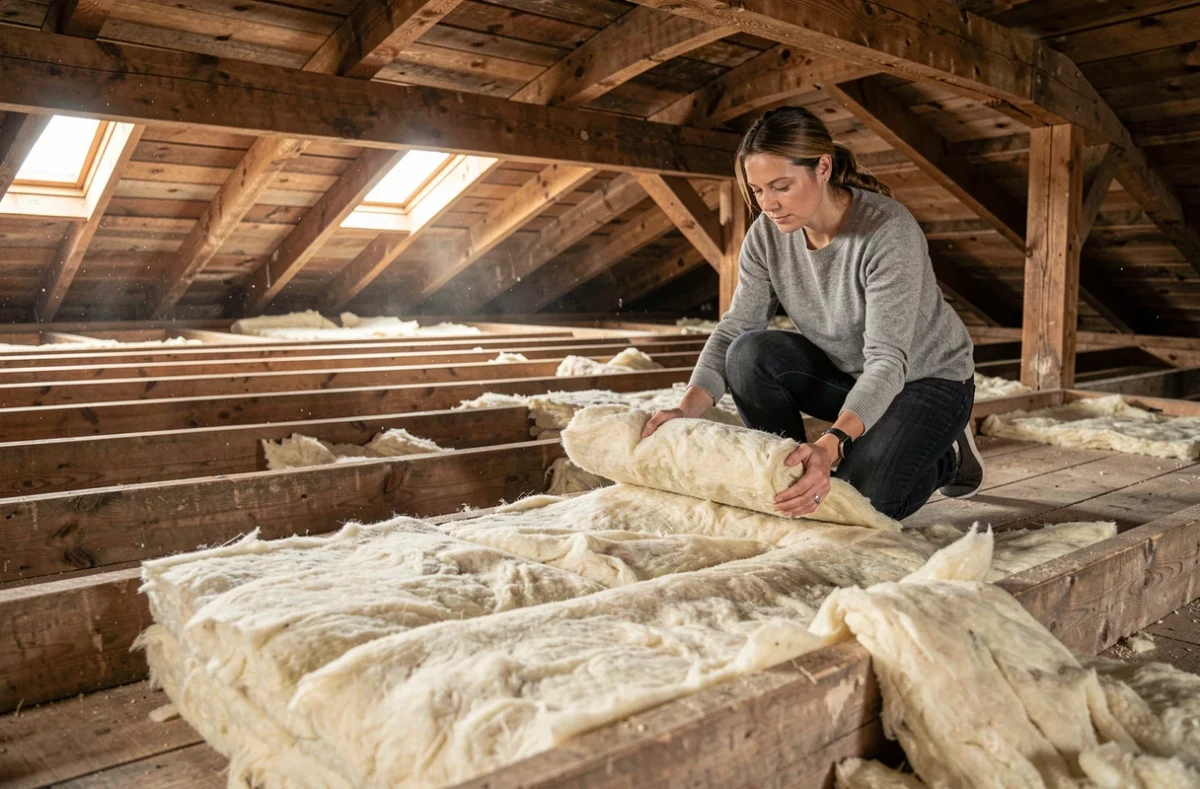
Installing a high-performance insulator on a wall is pointless if air circulates freely around it. Thermal bridges, those areas where insulation is interrupted (wall-floor junctions, window frames, door thresholds), concentrate heat loss and promote condensation.
An untreated thermal bridge can negate a large part of the expected gain. The moisture that accumulates there degrades the insulation, leads to mold growth, and deteriorates indoor air quality. Before even choosing a material, these weak points must be identified.
Ventilation and insulation work together
Strengthening air tightness without adapting ventilation creates a pressure cooker effect. The humidity produced by the kitchen, bathroom, and occupants’ breathing has no way out. A properly sized mechanical ventilation system (VMC) removes this humidity without wasting heat.
The CECOB project, led by ADEME, notes that buildings with comparable construction characteristics can offer very different comfort conditions depending on the occupants’ usage. How we ventilate, how we use solar protections, and how we manage heating weigh as much as the thickness of the insulation.
Interior or exterior insulation: concrete selection criteria
The debate between interior thermal insulation (ITI) and exterior thermal insulation (ITE) comes up consistently. Each technique has constraints that budget alone does not summarize.
- ITE eliminates most thermal bridges because it wraps the building without interruption. It also preserves the thermal inertia of the walls, which improves summer comfort. However, it alters the appearance of the façade and may require planning permissions.
- ITI is generally cheaper per square meter and does not affect the exterior of the building. It slightly reduces the usable floor area and leaves thermal bridges at wall-floor junctions.
- In some cases (stone walls, old buildings), ITI requires a vapor-permeable insulation to avoid condensation within the wall. A waterproof synthetic insulator placed on a stone wall can cause significant damage in a few years.
The choice depends on the type of wall, local climate, available budget, and regulatory constraints. For a 1970s concrete block house, ITE often offers the best performance-cost ratio. For an old building in the city center, ITI may sometimes be the only realistic option.
Work package and financial aid: why a single action is no longer enough
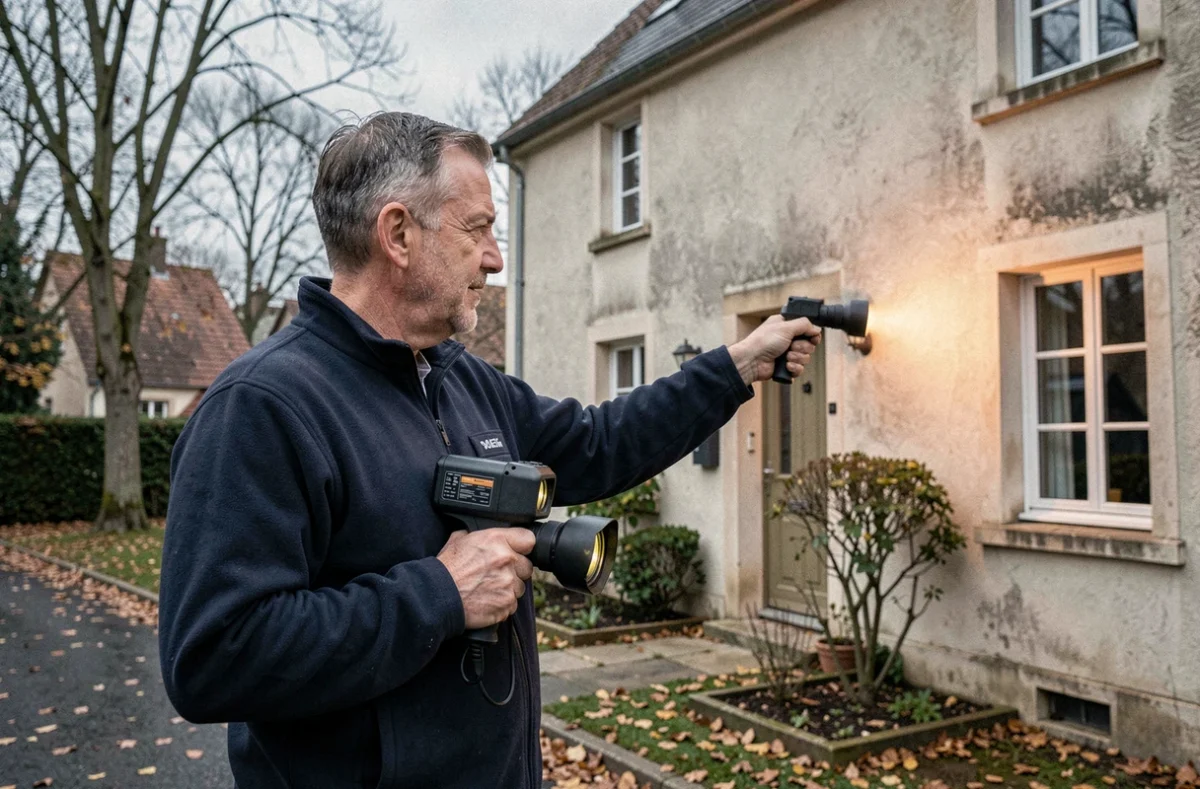
MaPrimeRénov’, in its user guide published in September 2026 by Anah, clearly directs towards extensive renovations. An extensive renovation must include at least two insulation actions, among which are the roof slopes, interior walls, and ground floors.
This package logic changes the way work is planned. Insulating only the attic, then the walls two years later, and then changing the windows afterward often ends up being more expensive than coordinating everything from the start. Each successive intervention requires redoing finishes and readjusting ventilation.
Order of priority for insulation work
If the budget does not allow for everything at once, the classic hierarchy remains relevant:
- The roof and attic, because warm air rises and these surfaces concentrate the largest part of thermal losses.
- Exterior walls, which represent a significant exchange surface with the outside.
- Ground floors (above a crawl space or garage), often neglected but responsible for a feeling of cold at the floor that is difficult to compensate with heating.
- Windows and doors, to be addressed last because their impact is lesser if the rest of the envelope remains poorly insulated.
Support from a France Rénov’ advisor helps define the most suitable scenario for the housing and identify cumulative aids.
The choice of insulation matters less than the quality of the installation. A high-performance material poorly installed, with unplanned air gaps or sloppy connections, loses a significant part of its thermal resistance. Checking the product certifications (thermal resistance, fire reaction) and ensuring that the contractor follows installation rules remains the best investment before signing a quote.